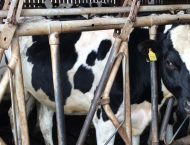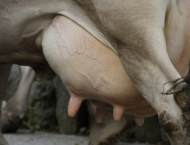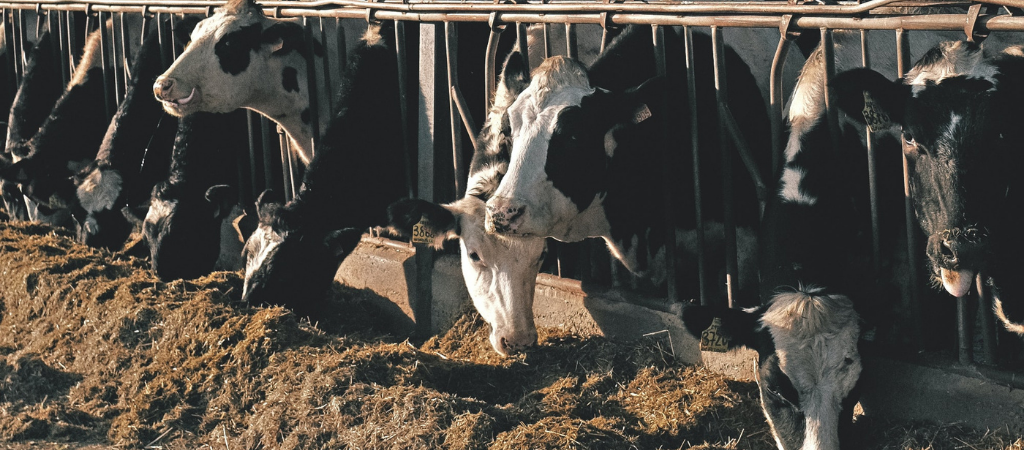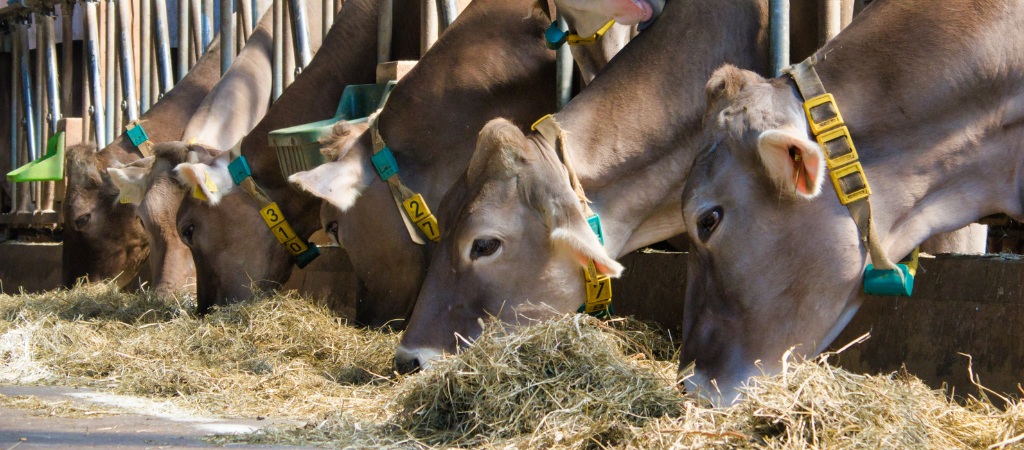

Lameness is one of the most important welfare issues in dairy cattle. It is due to injuries or disease in the foot or leg and leads the cows to experience pain and discomfort. Dairy cows may not rest normally, and may meet nutritional difficulties due to improper feed intake. Moreover, they can experience disturbed social patterns and loss of body weight.
The results are reduced fertility, decreased milk production, decreased milk quality and, as a final option, culling, with obvious increased costs (health expenses and additional labour).
Moreover, as reported in scientific literature1, lameness is one of the diseases contributing more to antibiotic use in dairy cows and, thus, to the amount of the milk wasted due to withdrawal periods.
Many aspects affect the incidence of lameness: it deeply varies between dairy farms, regions, countries and a series of other factors (genetics, nutrition, environment). Lameness can also be a consequence of a specific condition of the foot called laminitis.
Unfortunately, one common aspect of lameness is that it often remains underestimated because of existing difficulties in detecting it; when mild cases are detected, they are accepted as normal conditions on some dairy farms.
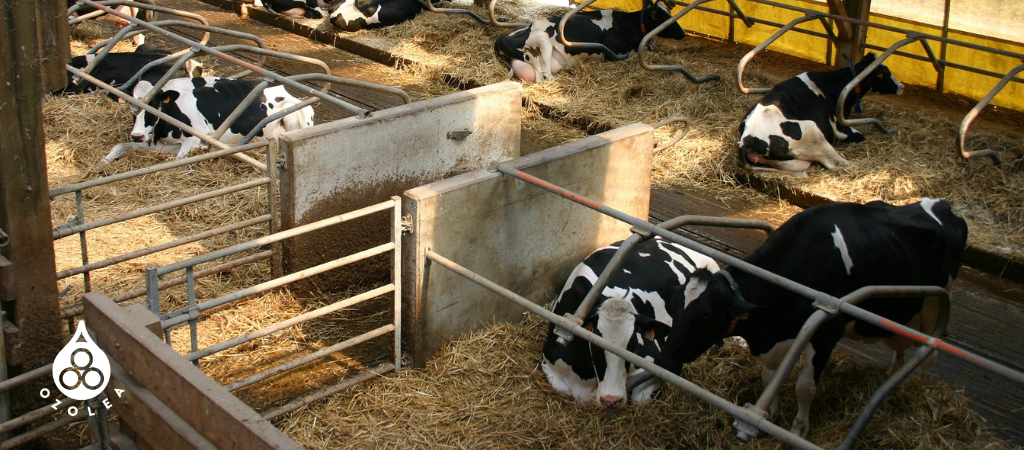
Among the consequences, we cited disturbed resting, which is generally accompanied by abnormal lying. This effect is critical in determining an increased chance of mastitis. Scientific research2 also observed a positive relationship between poor foot health and a high number of clinical cases.
What is the link between lameness and mastitis?
First of all, they have in common all the predisposing factors, particularly those related to improper herd management (poor hygiene management, insufficient bedding or poor quality bedding, increased herd size, etc.). One key aspect of this link is that, in case of concomitant bacterial infections of udder and tarsus, the source might be contaminated bedding.
Detecting lameness properly would benefit prevention and control of this disease, and, consequently, could somehow help reduce mastitis incidence.
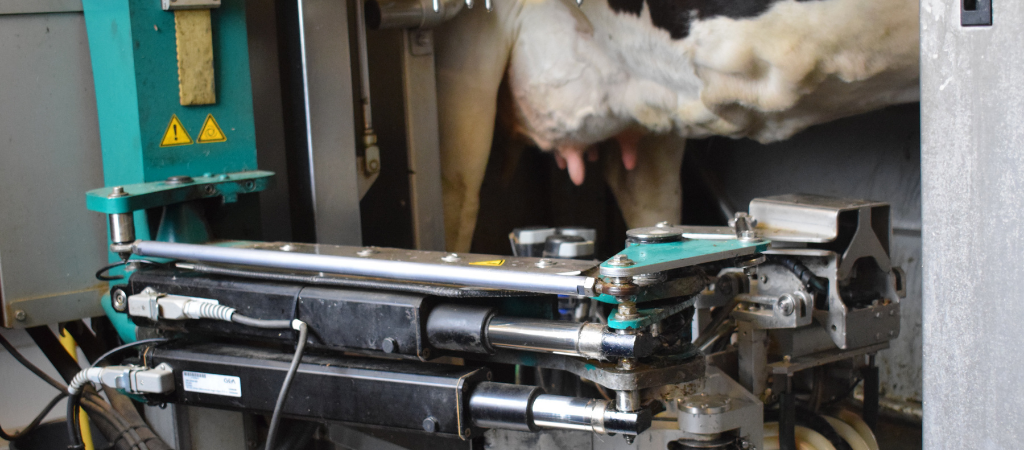
Observing all lameness cases, recording data and information about the severity of each case, reading and understanding these data with respect to the lactation stage are critical actions if we aim at improving management. This becomes more essential if we have introduced automatic milking on the farm: cows are free to walk around, but if they suffer pain because of lameness, they will not adapt to this innovation that requires less manual labour, but more rationalization4.
Why would a company focusing on udder issues such as OZOLEA worry about lameness? First, there is a link with mastitis incidence. Second, any management strategy useful to the reduction of antibiotic usage is recommended.
When dealing with herd management, we should always consider that all the aspects relating to the herd are interlinked and never independent. Aiming at a balance is the way.
This is the way we stress the importance of overall best management practices along the application of our products, such as OZOLEA-MAST.
1March MD, Toma L, Thompson B and Haskell MJ (2019) Food Waste in Primary Production: Milk Loss With Mitigation Potentials. Front. Nutr. 6:173. doi: 10.3389/fnut.2019.00173
2 SINGH, A., S. SINGH, D. K. GUPTA, B. K. BANSAL: Relationship of lameness to body condition score, udder health and milk quality in crossbred dairy cattle. Vet. arhiv 88, 179-190, 2018. DOI: 10.24099/vet.arhiv.160907
3 What changes in milk tell us when we forestrip.
https://www.ozolea.it/what-changes-in-milk-tell-us-when-we-forestrip/
4Milking robots, acting on udder issues more promptly with electrical conductivity measurement.